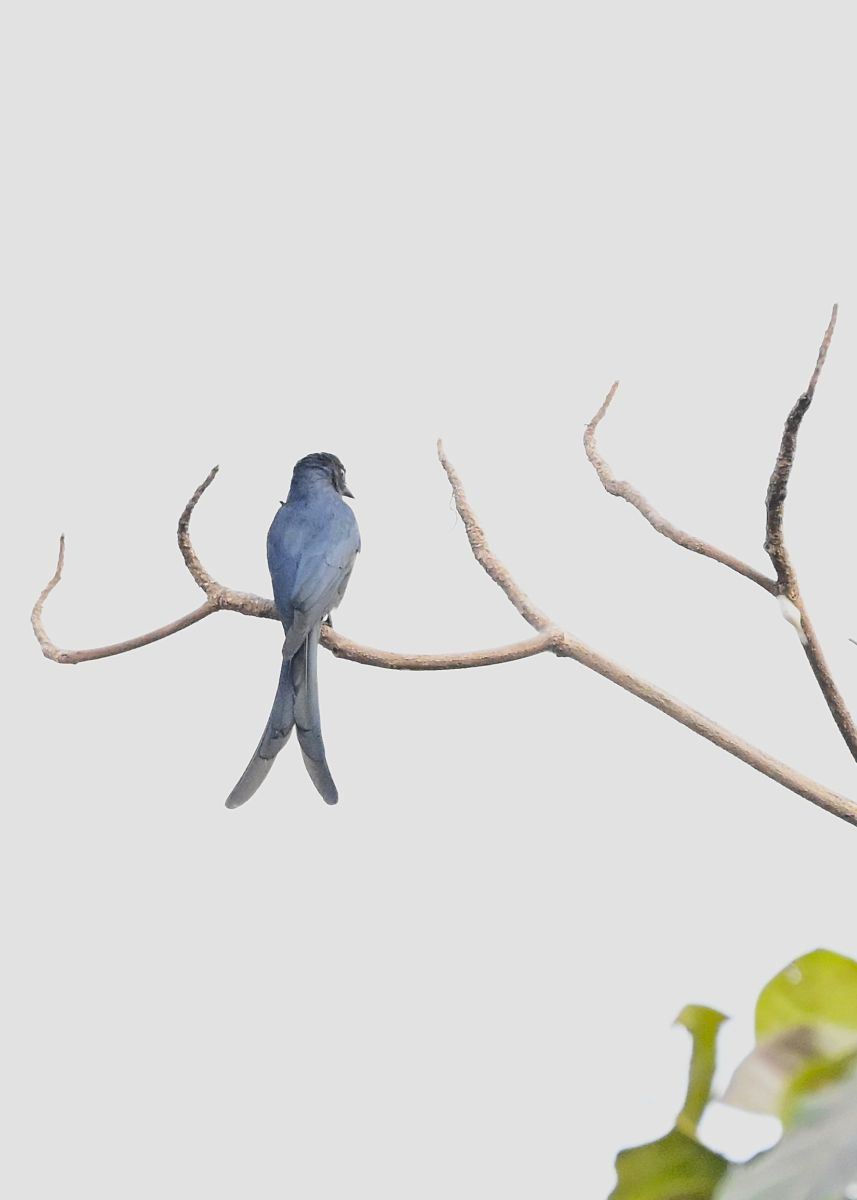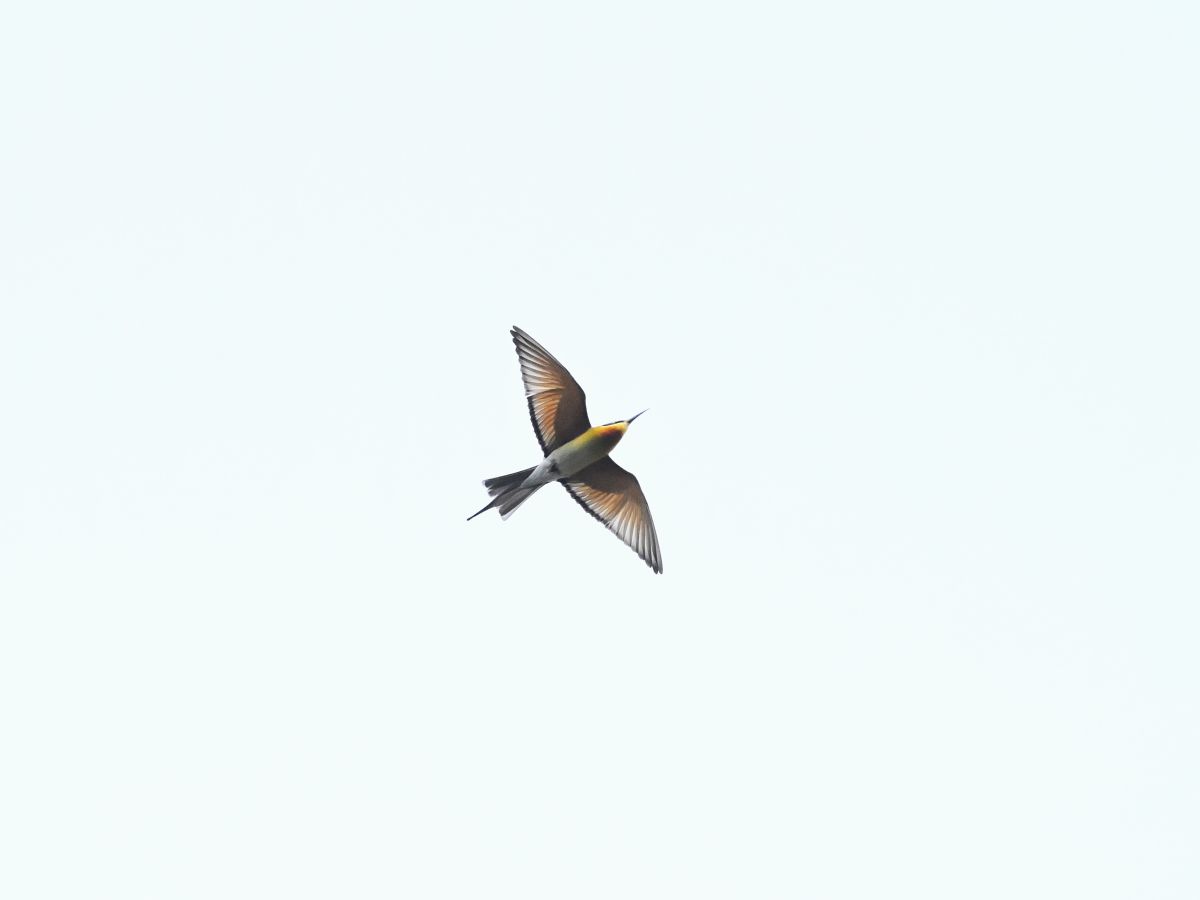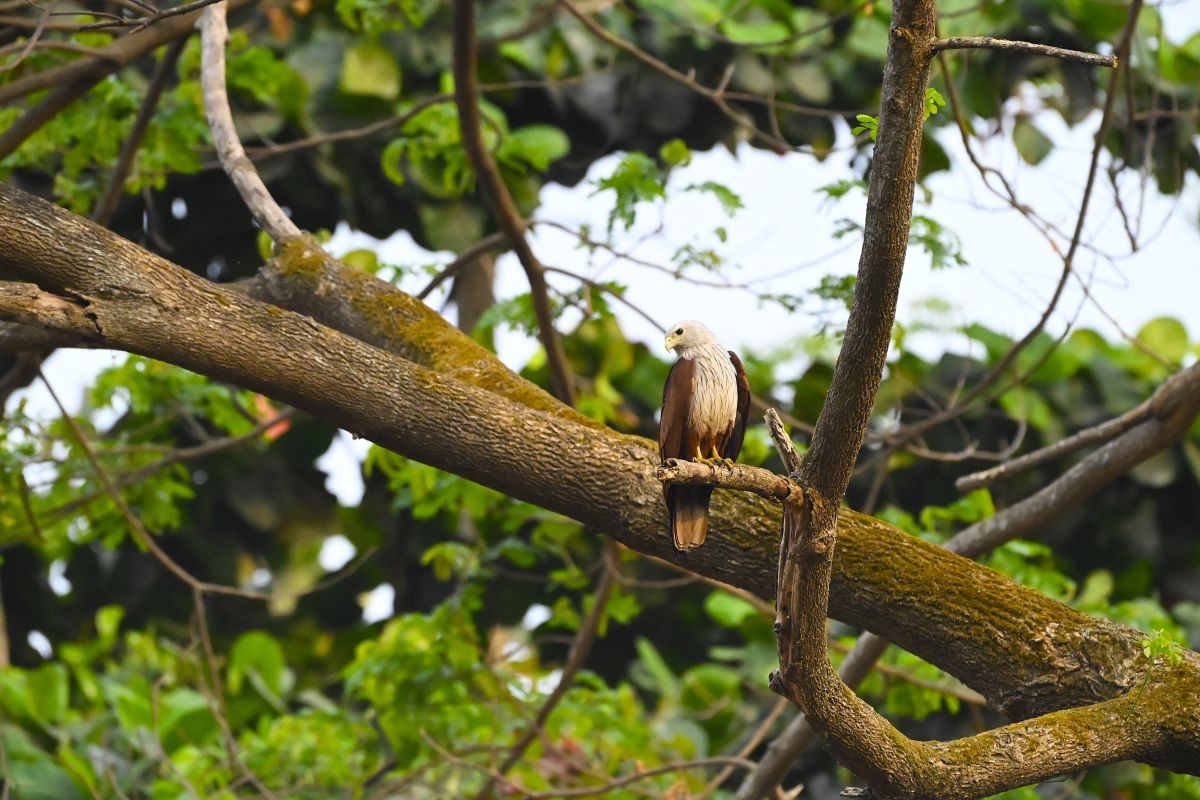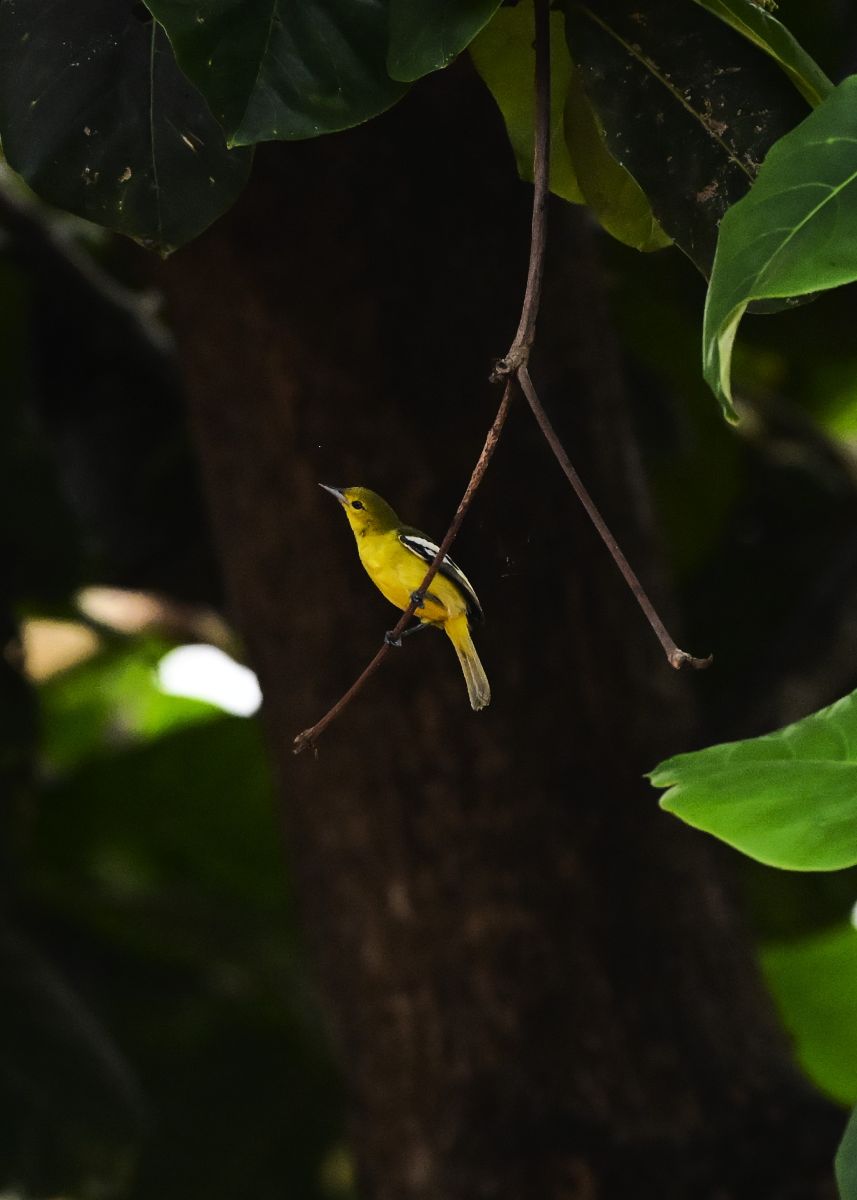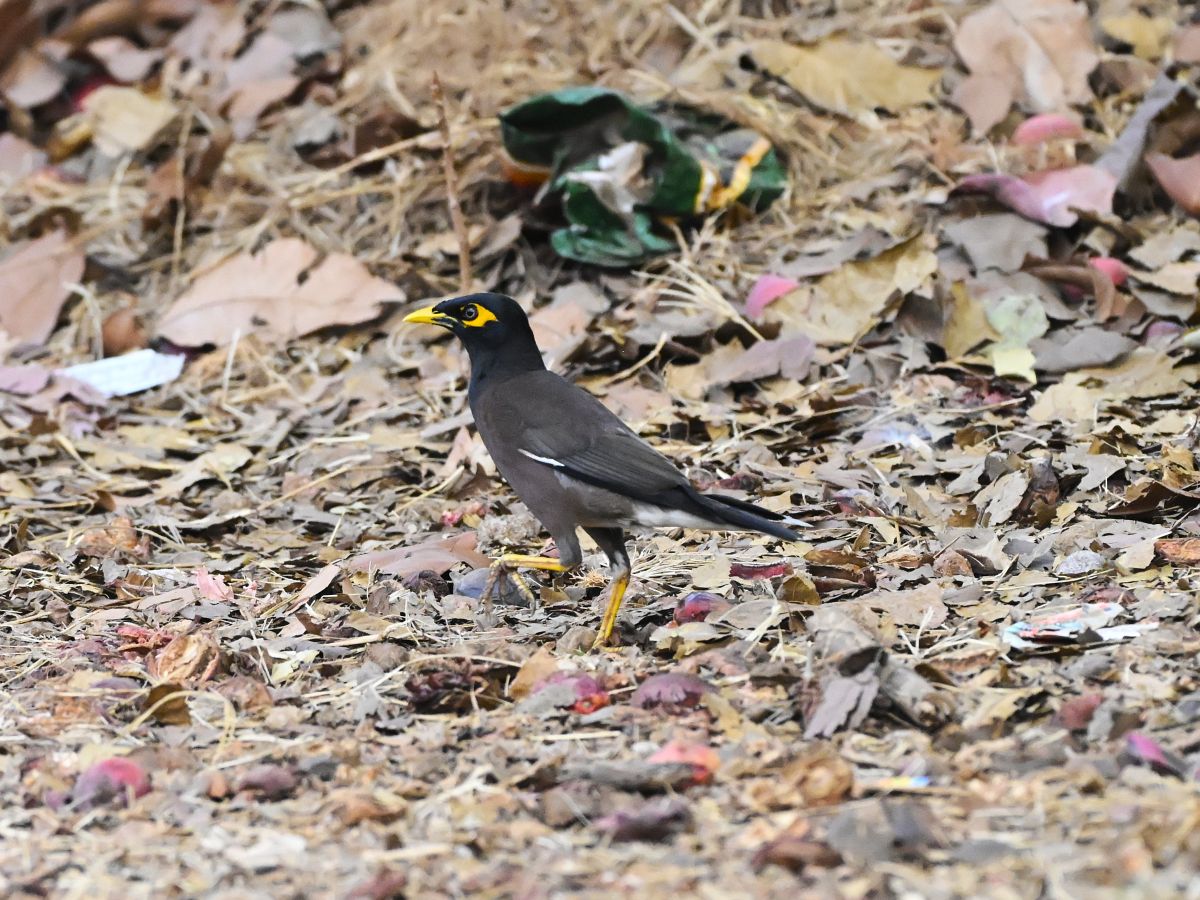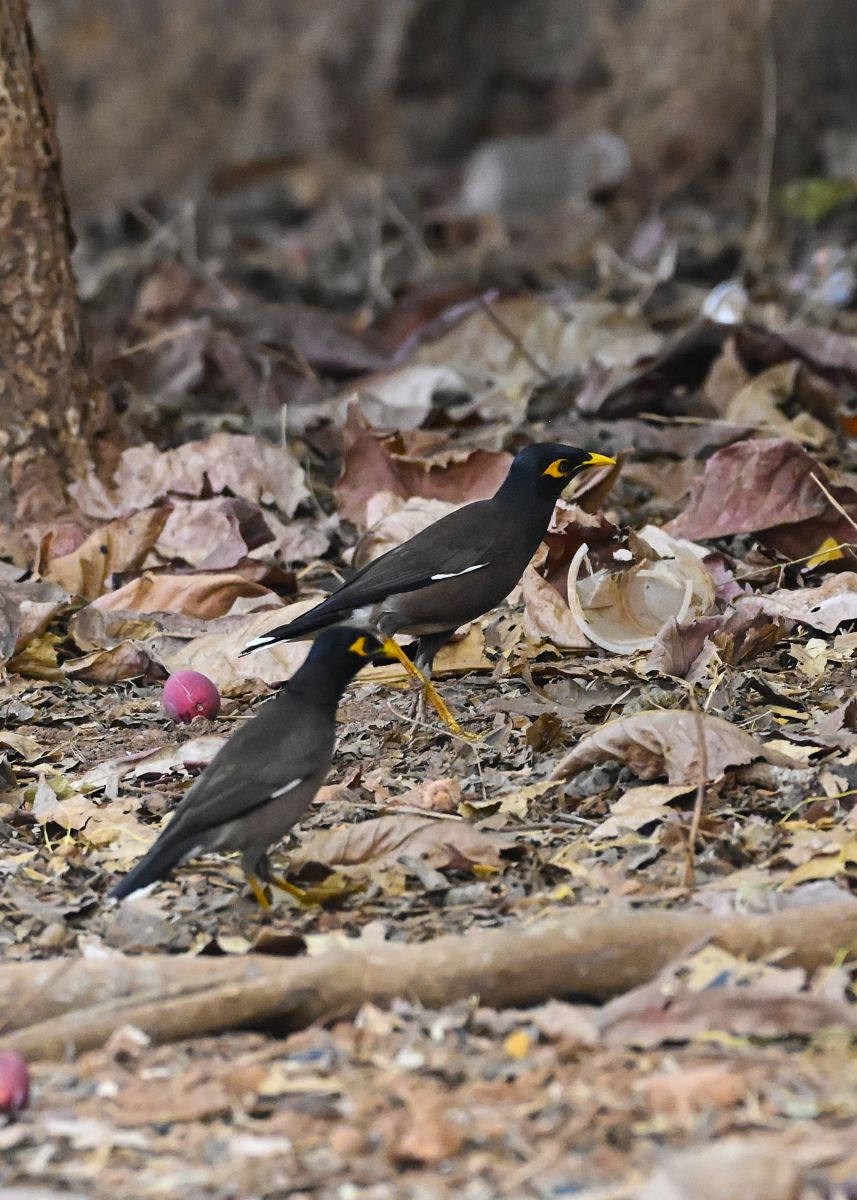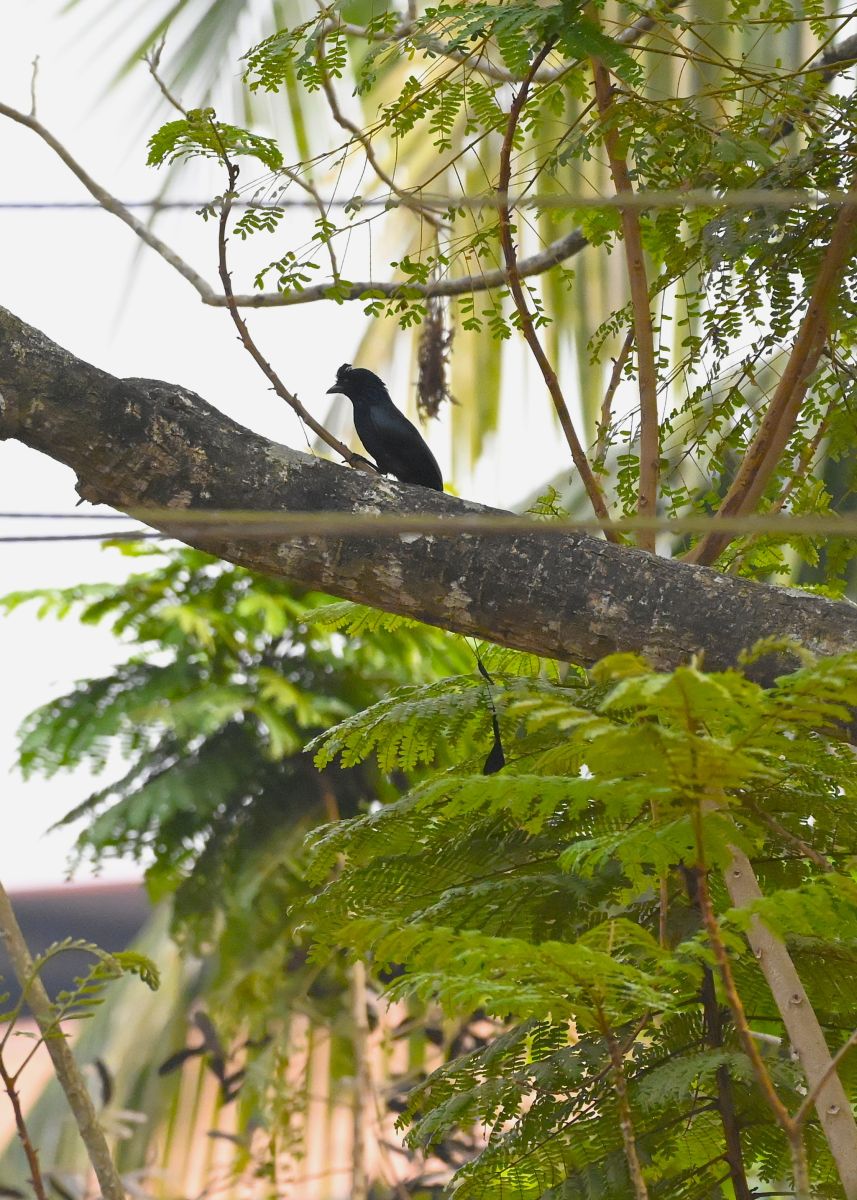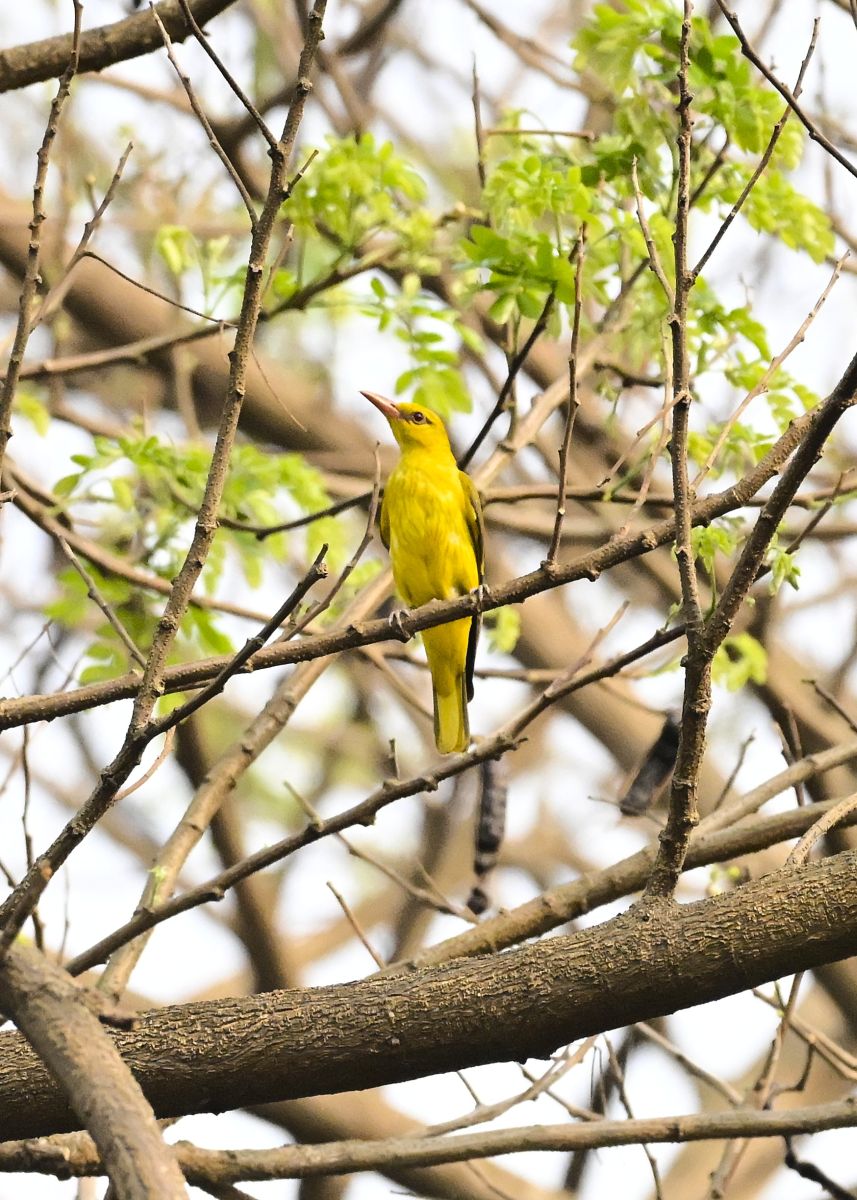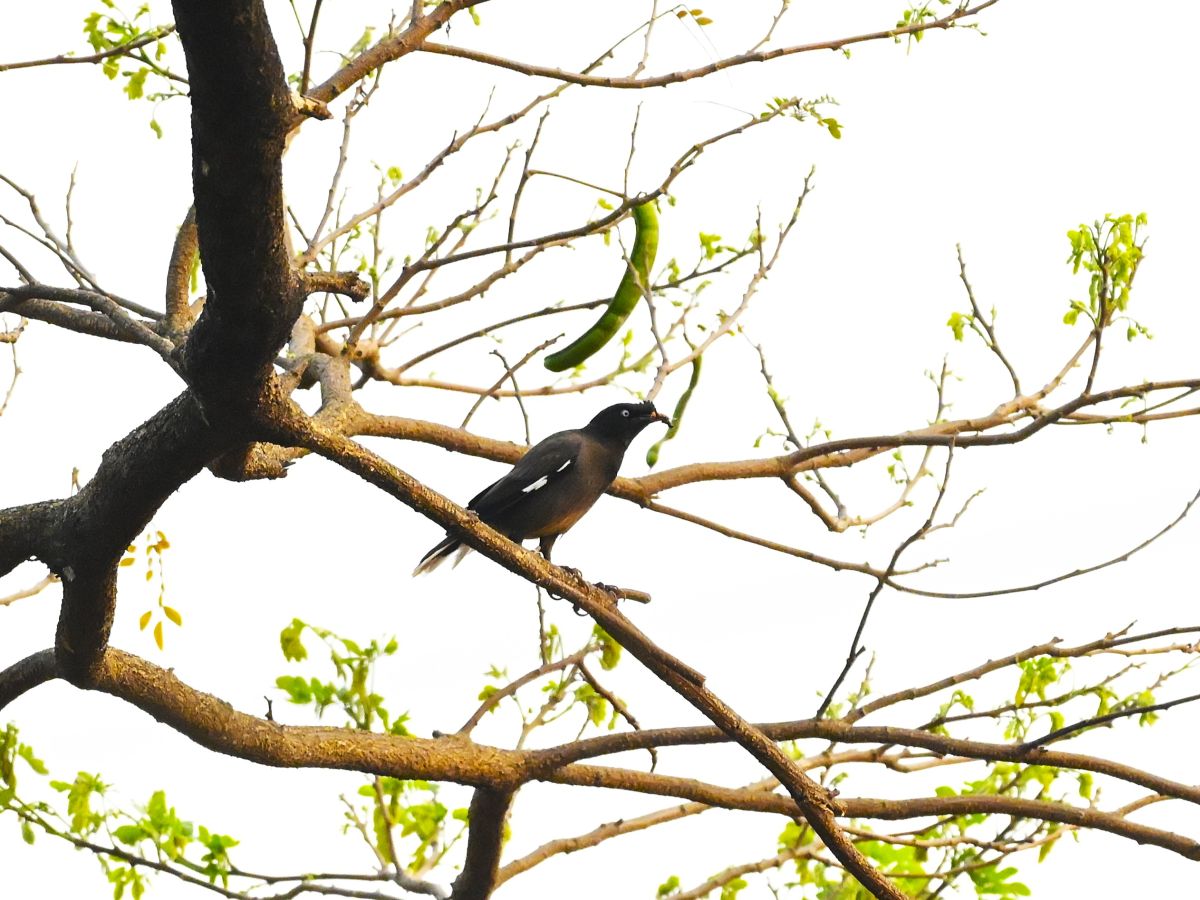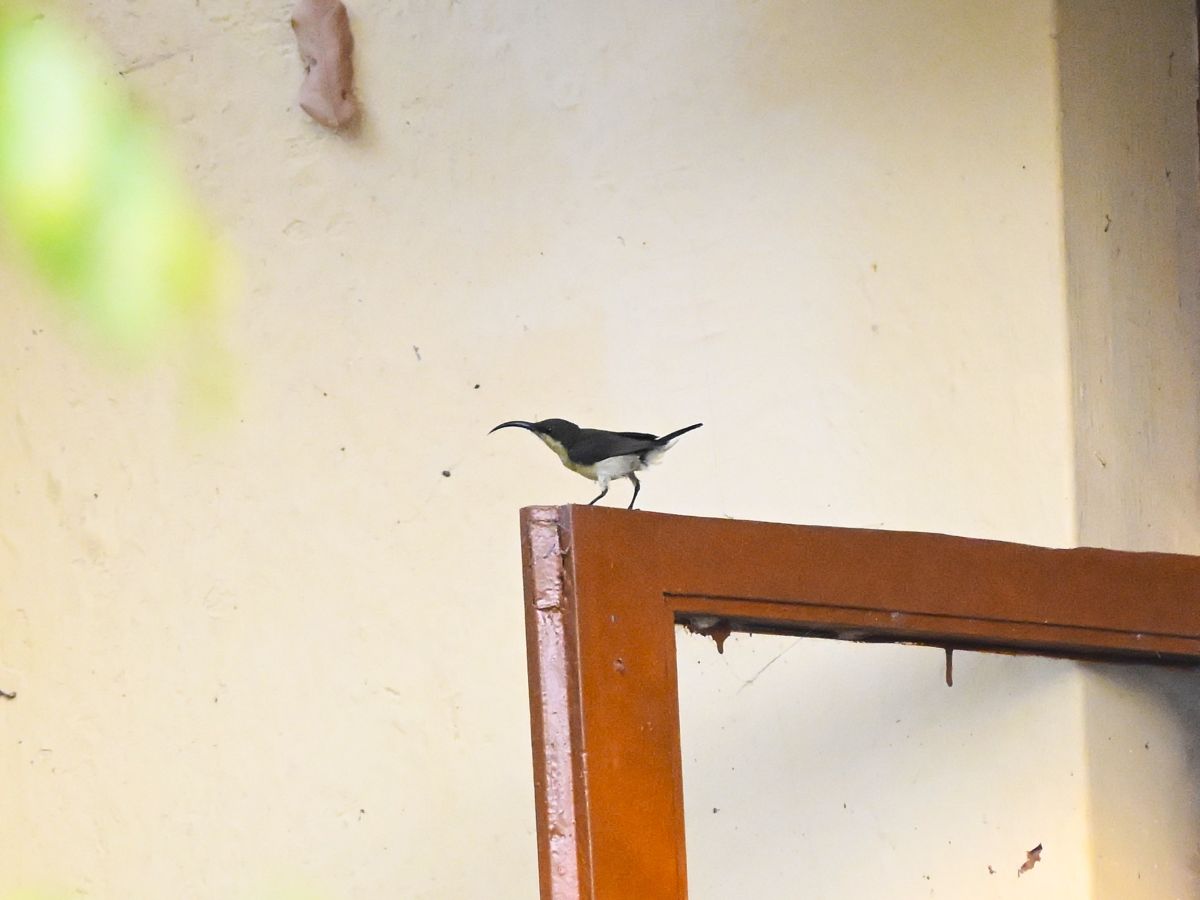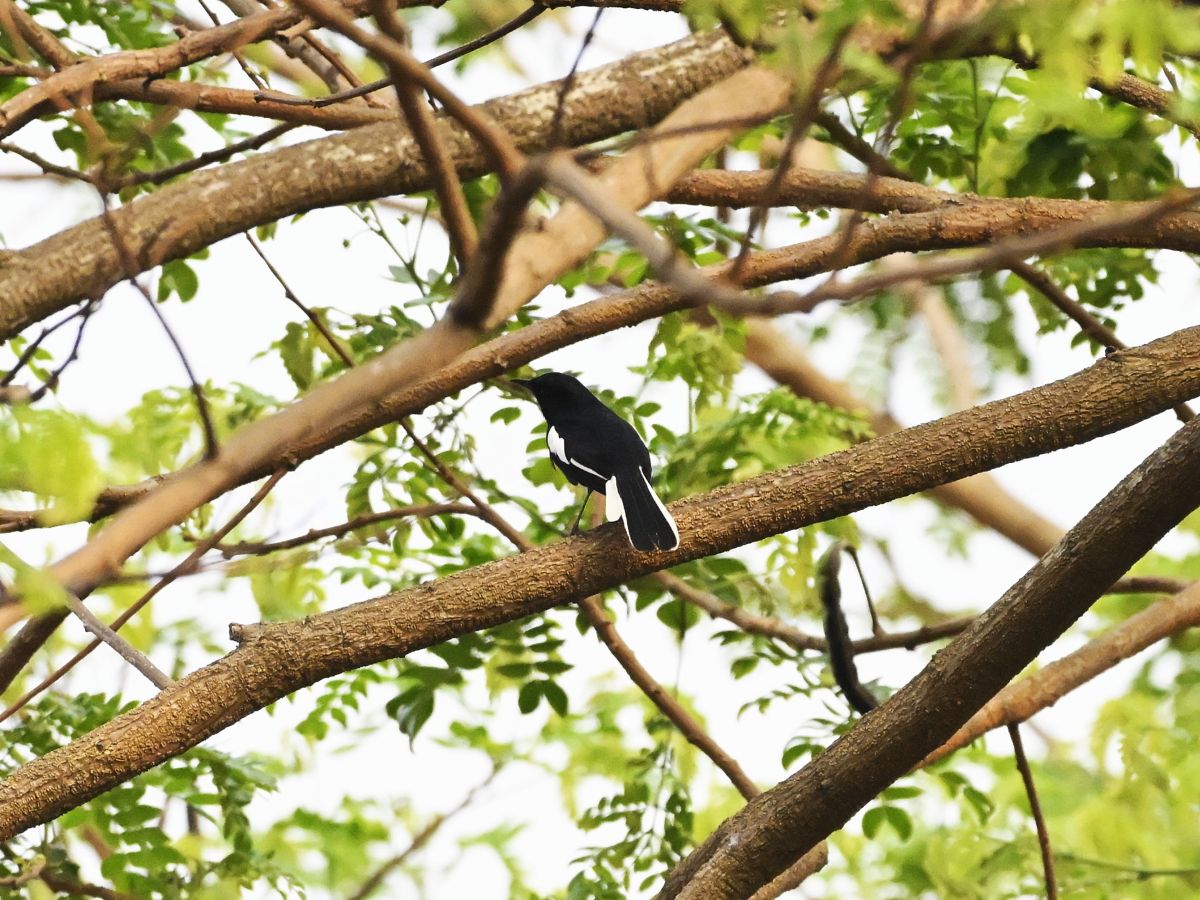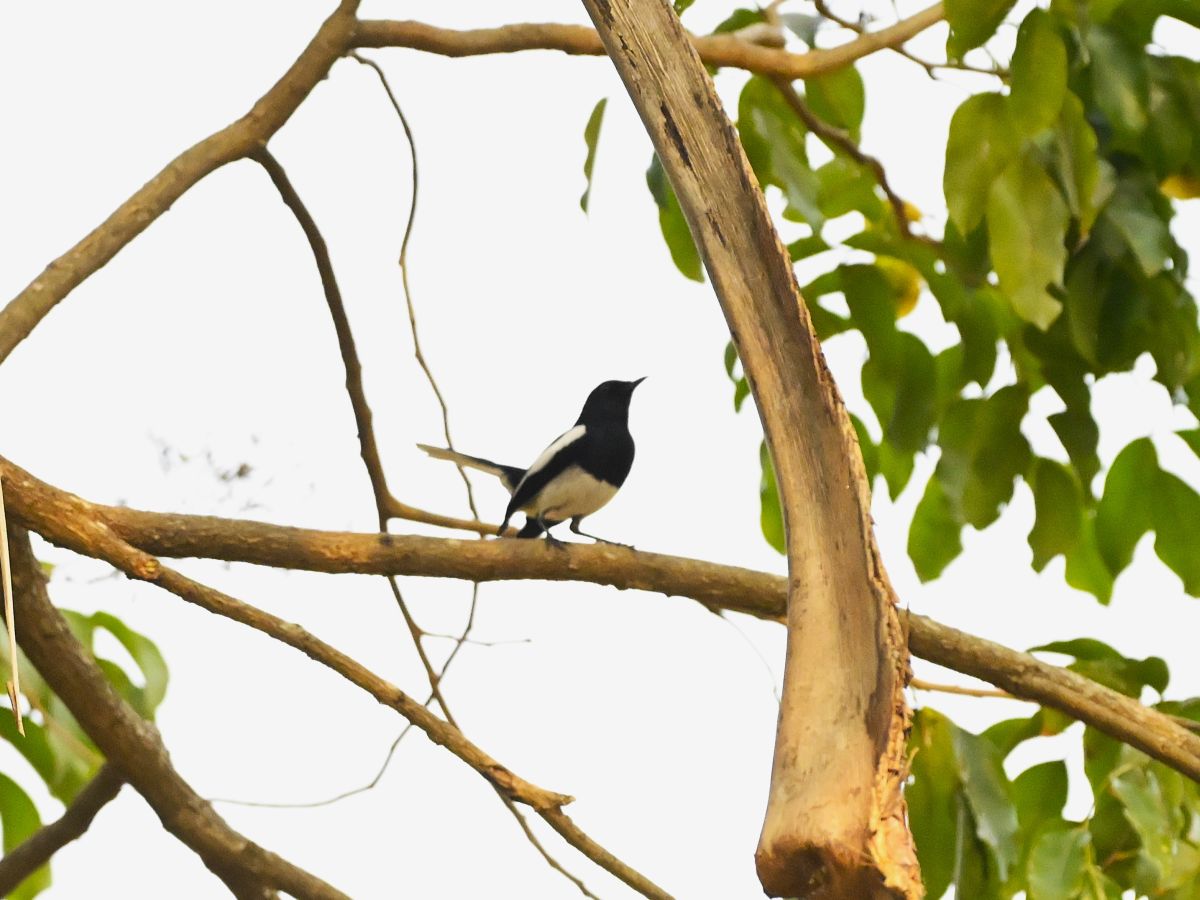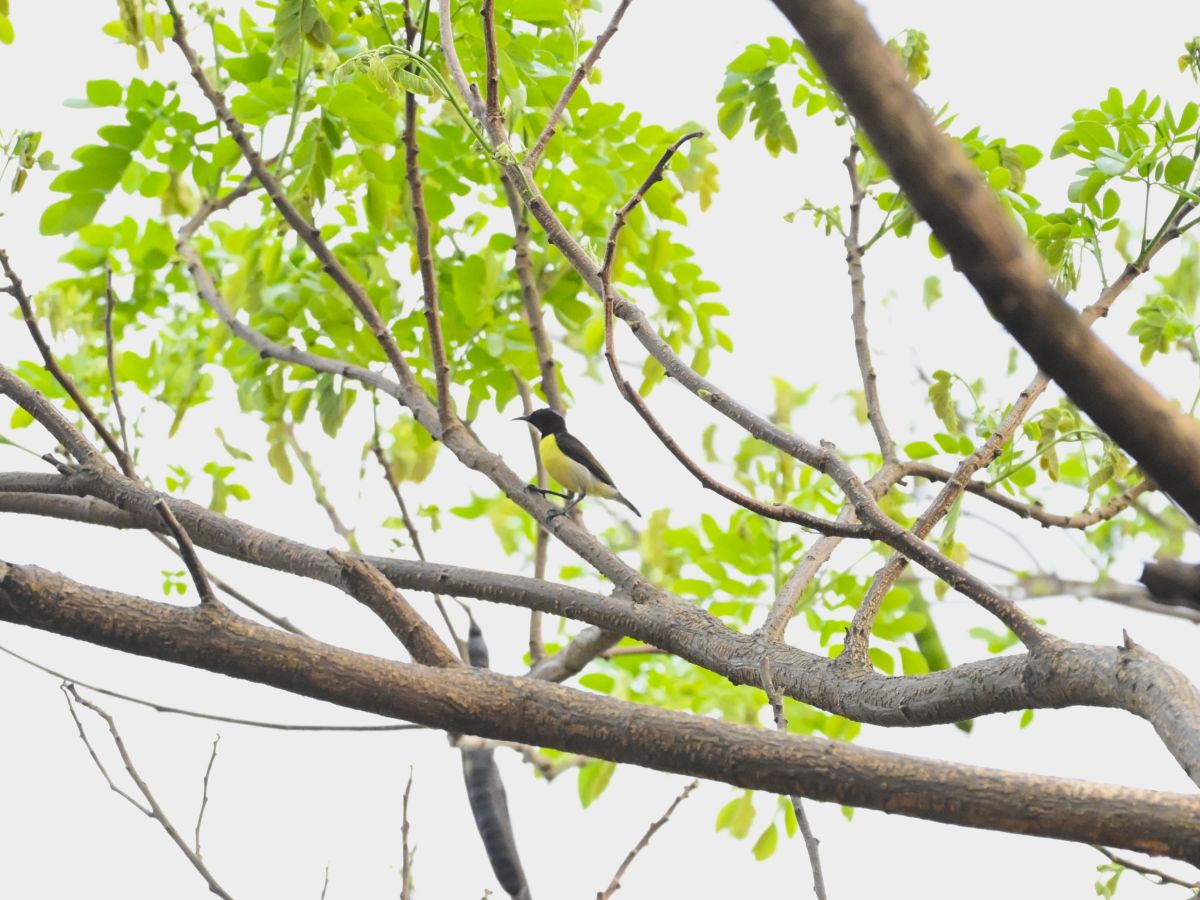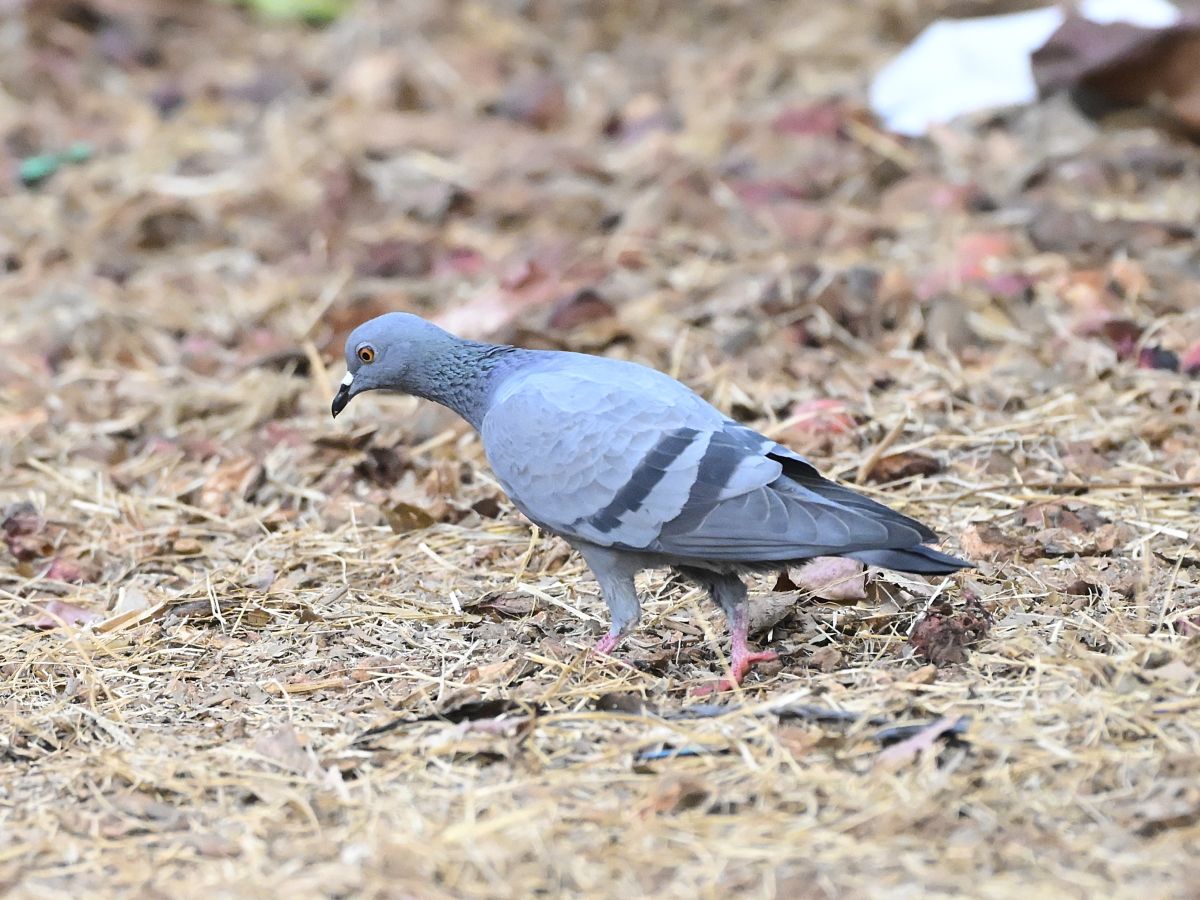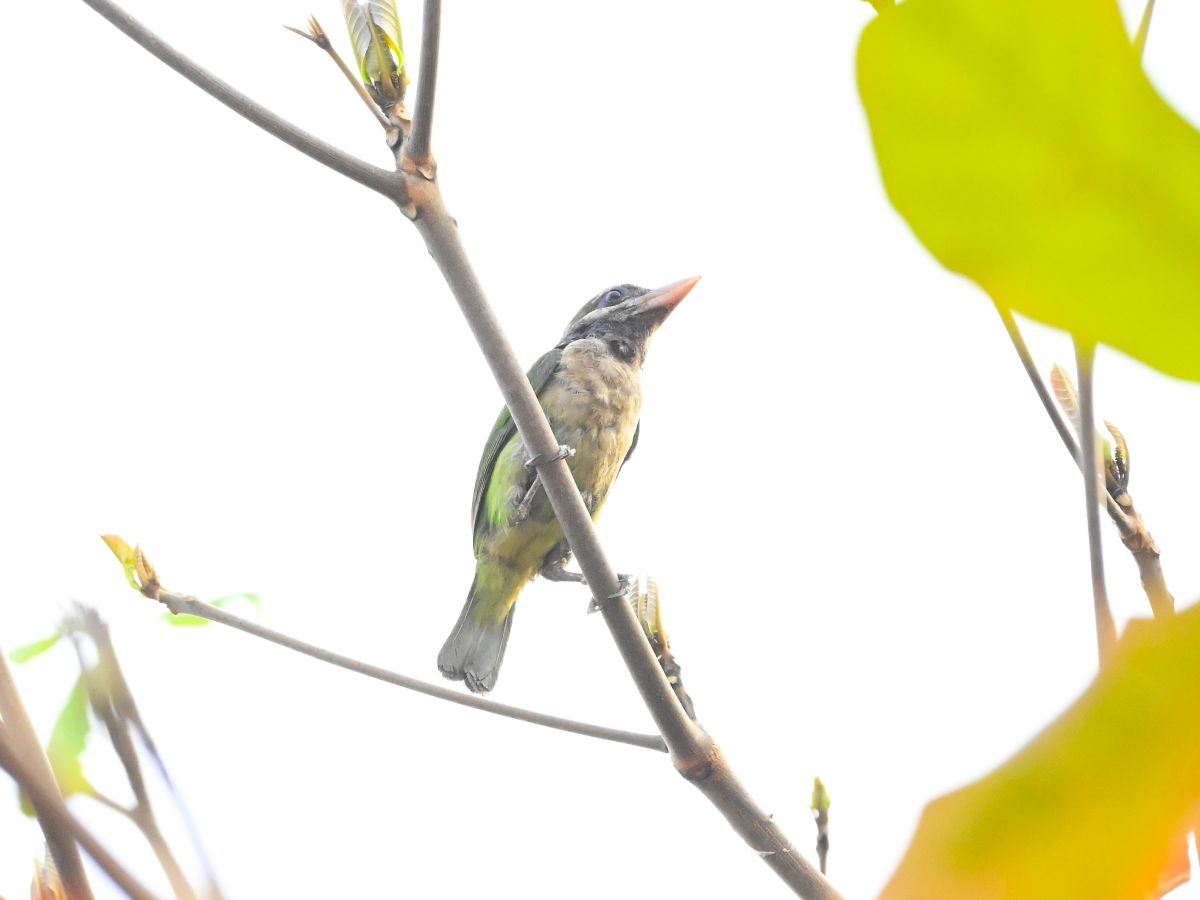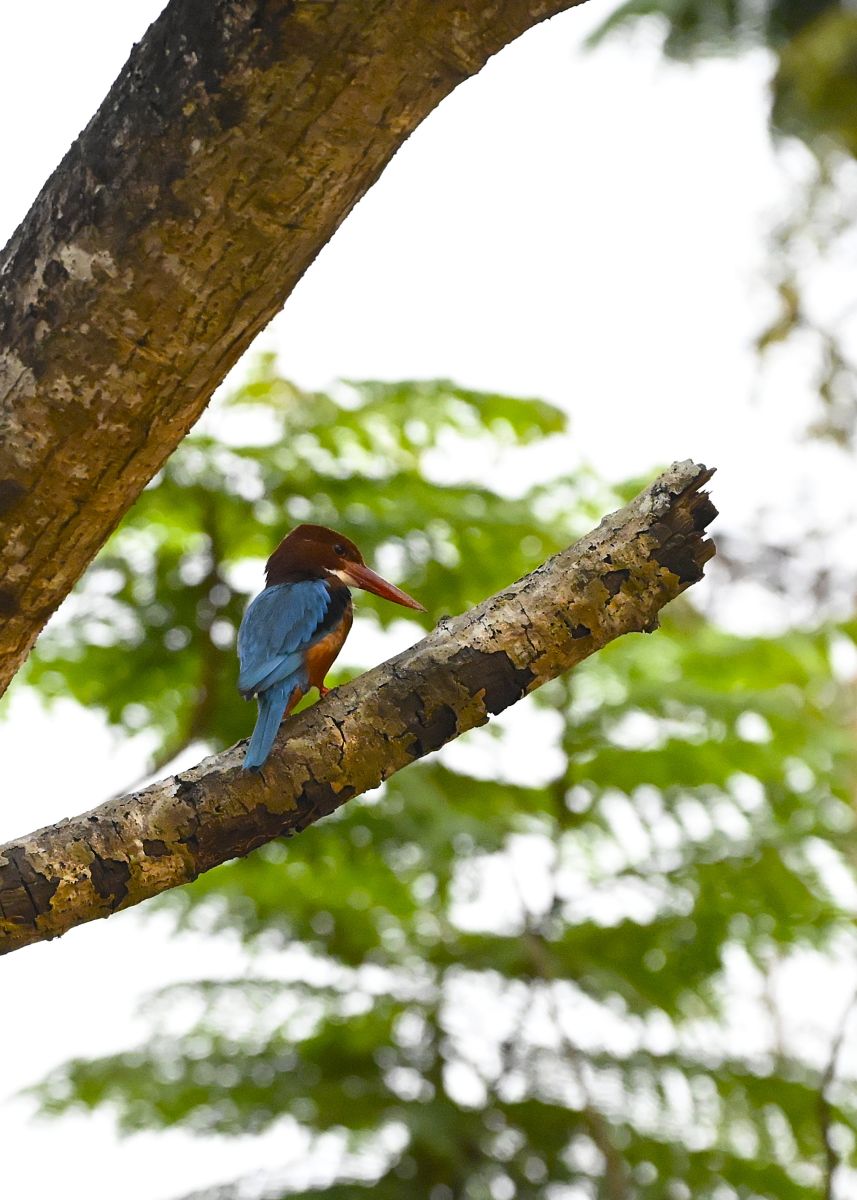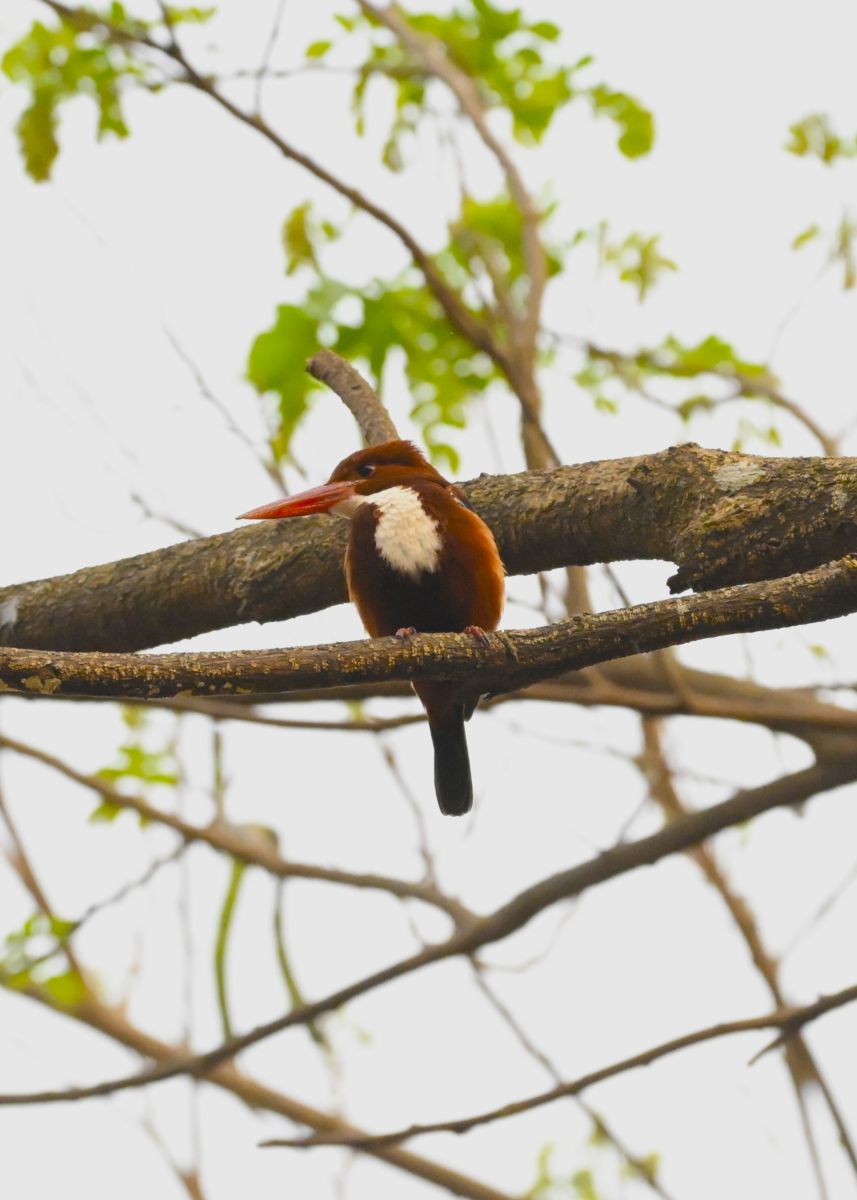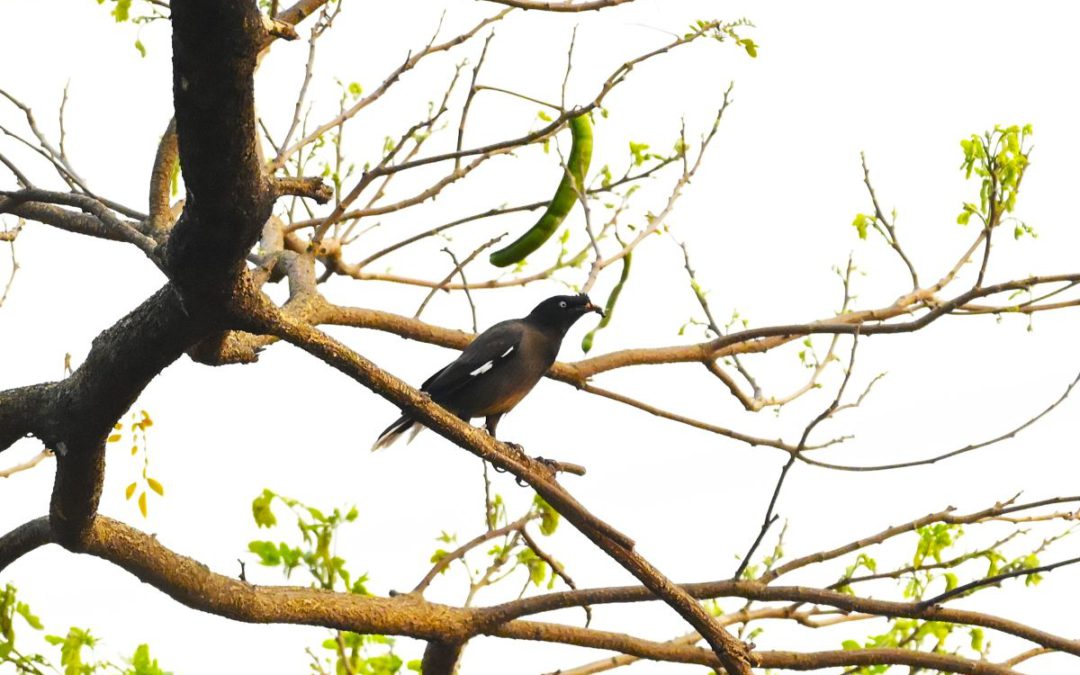
The bird count was conducted across diverse habitats within the campus, including tree-lined avenues, gardens and open grounds. Students enthusiastically participated in the survey under the guidance of faculty members, using binoculars and field guides to identify species based on plumage, vocalisations, behaviour, and habitat preferences.
During the survey, a total of 28 bird species were recorded, highlighting the rich avifaunal diversity of the campus ecosystem. The species documented include the Pale-billed Flowerpecker, Black Kite (commonly known as Pariah Kite), Blue-tailed Bee-eater, Asian Koel, Purple Sunbird, Purple-rumped Sunbird, White-cheeked Barbet, Greater Coucal, Loten’s Sunbird, White-throated Kingfisher, Red-vented Bulbul, Red-whiskered Bulbul, Indian Golden Oriole, Greenish Warbler, Asian Paradise Flycatcher, Rock Pigeon, Oriental Magpie-Robin, Jungle Myna, Greater Racket-tailed Drongo, Common Myna, Common Iora, Brahminy Kite, Ashy Drongo, and the Barn Owl.
The presence of insectivorous, frugivorous, nectarivorous and predatory birds indicates a balanced and ecologically healthy campus environment.
Mr. Kiran Vati K., Assistant Professor, Department of Zoology, St Aloysius Deemed to be University, served as the resource person and trained the students in bird identification techniques. Dr. Rachana L. Alva coordinated the programme, ensuring its smooth organisation and execution. Dr. Rajesh T. P., Assistant Professor, Department of Zoology was also present during the event. The programme concluded with an interactive discussion session, during which students shared their observations and reflected on the importance of conserving urban biodiversity.