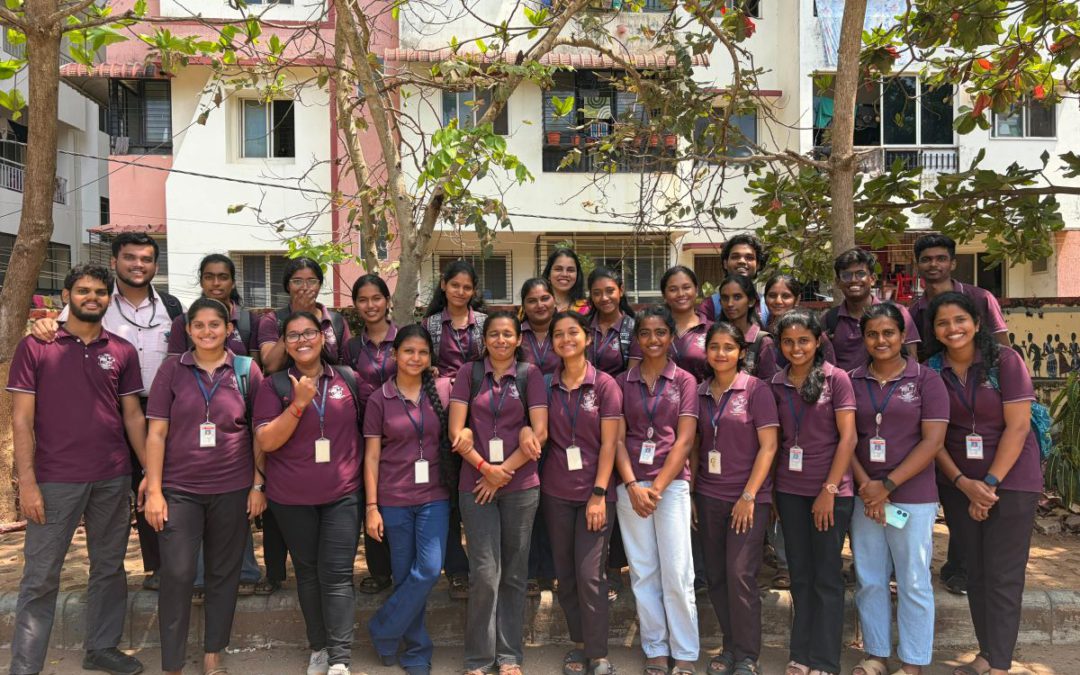
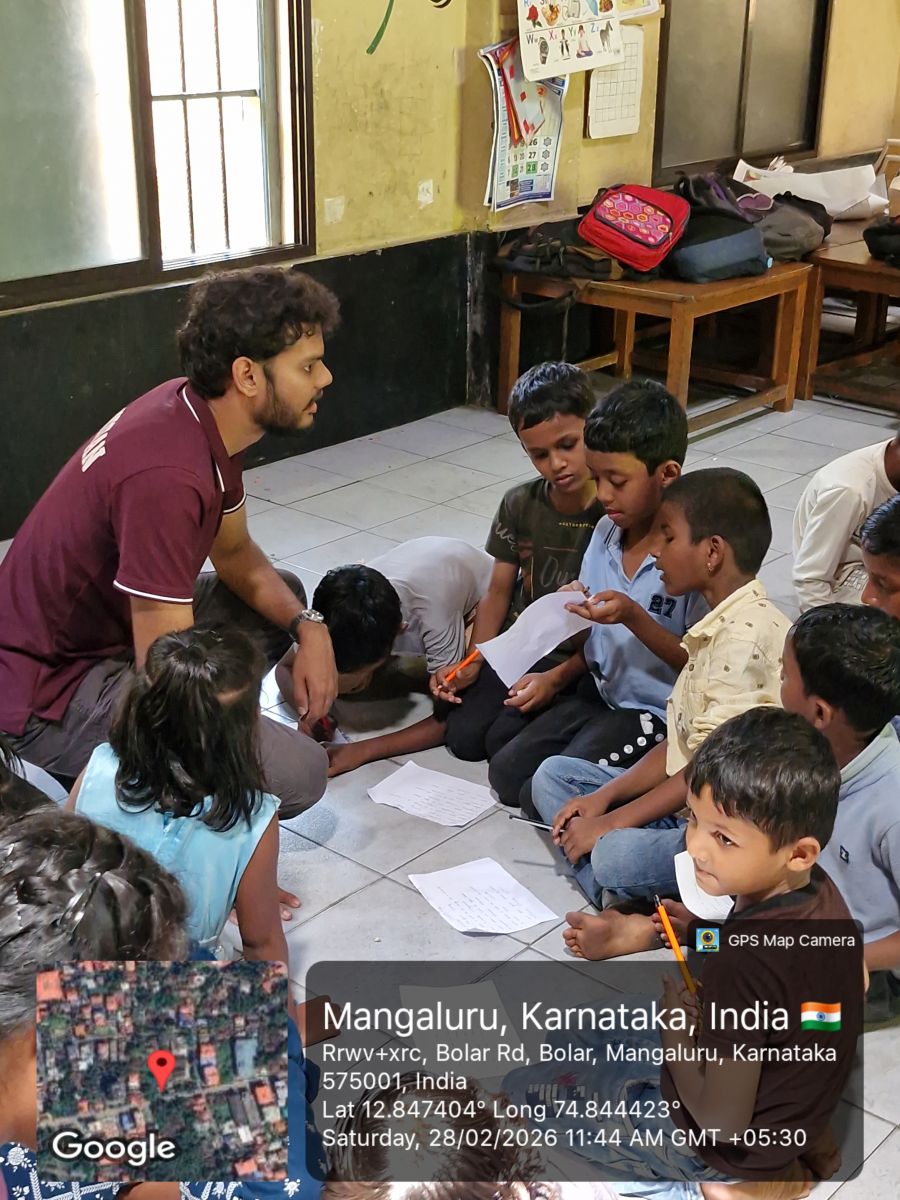
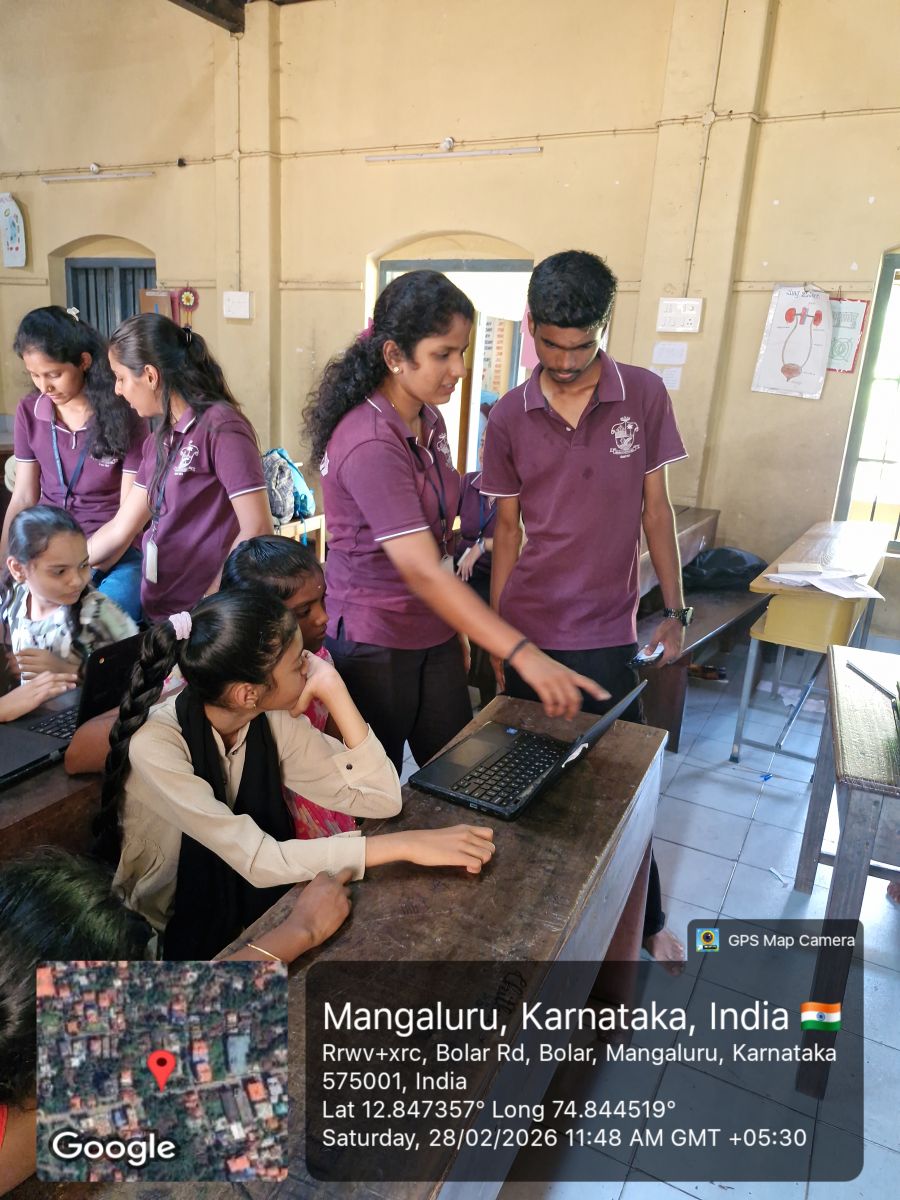
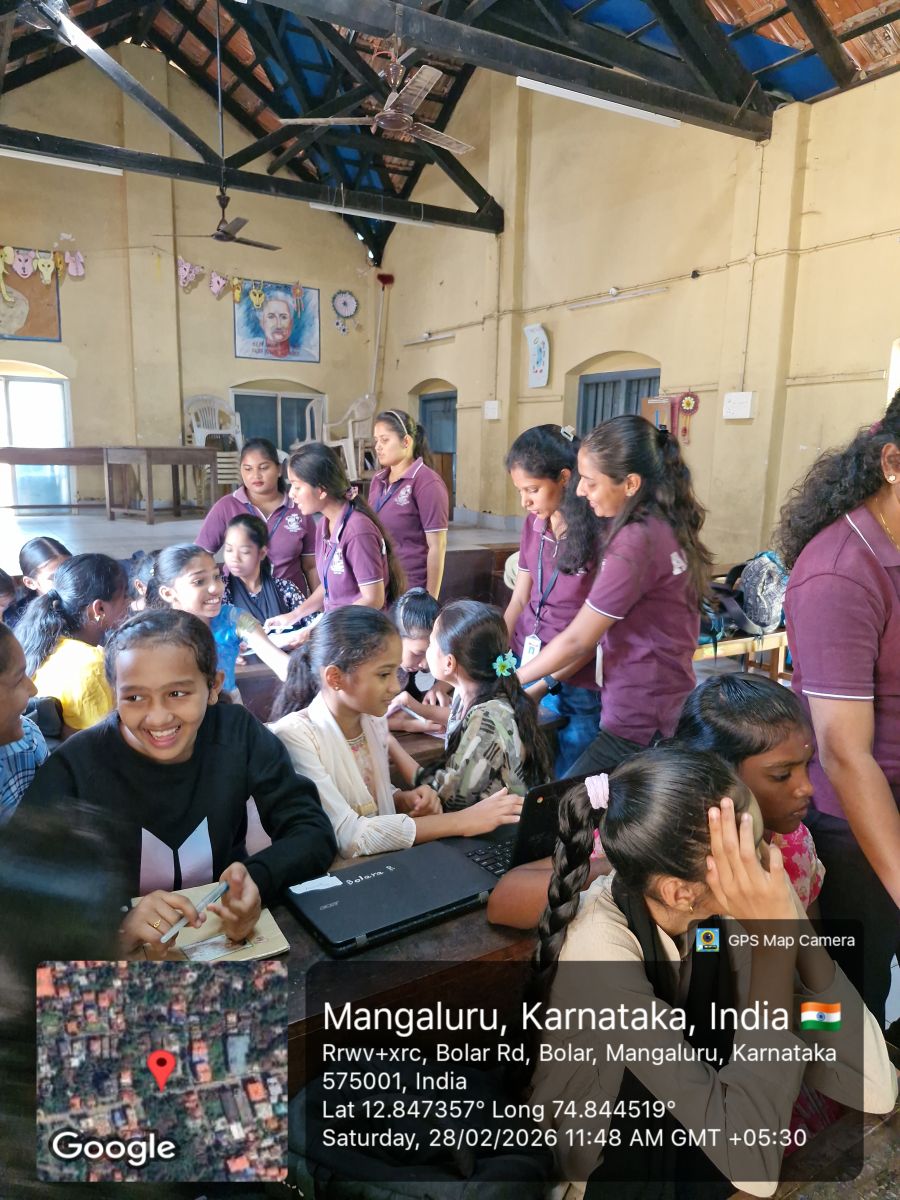
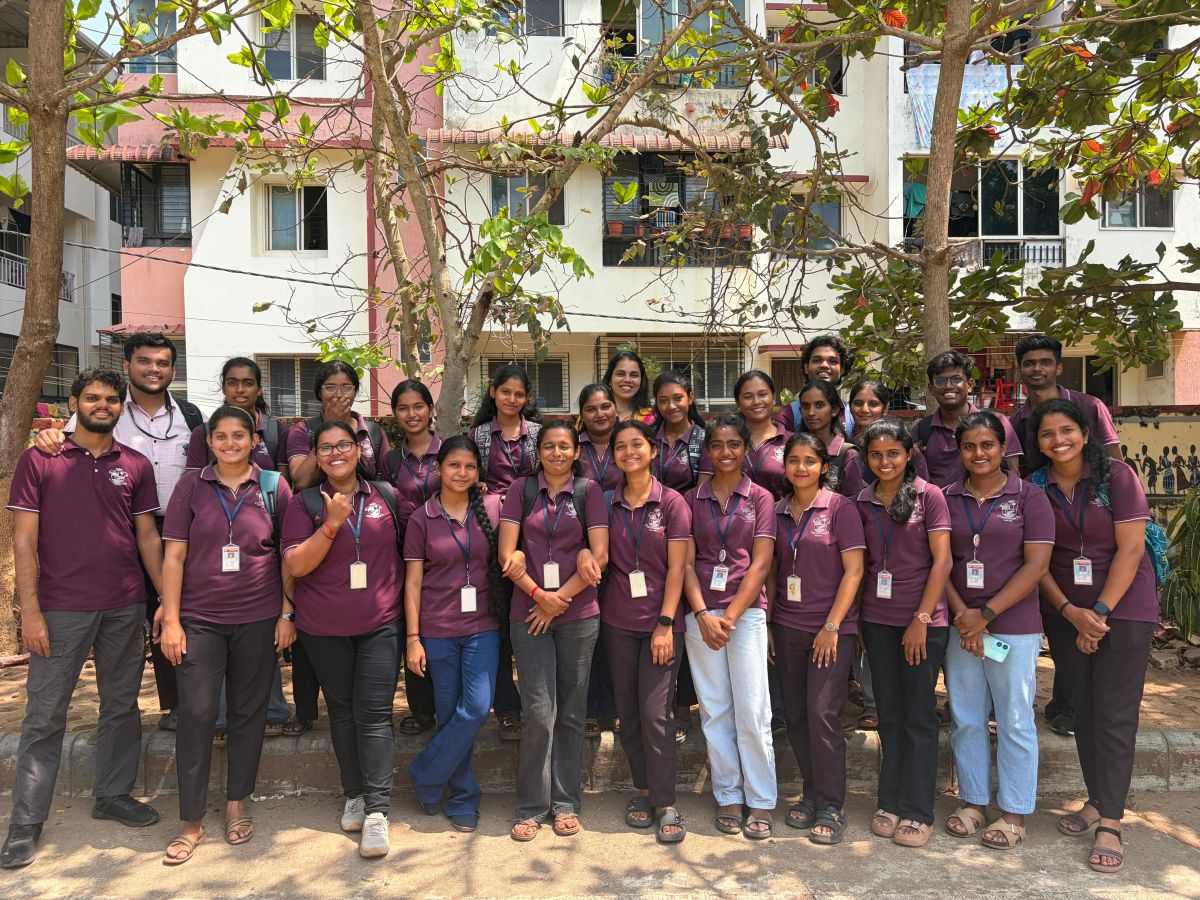
ATC students conducted basic computer education session at DKZB Government Higher Primary School, Bolar, Ward No. 58, Bolara, Mangaluru, Dakshina Kannada, Karnataka – 575001, with visits held on 13/12/2025, 20/12/2025, 03/01/2026, 17/01/2026, and 28/02/2026. As part of this initiative, the 3rd BCA ‘A’ students engaged in teaching government school children the fundamentals of computer education, aiming to spread digital awareness and enhance basic technological knowledge. Throughout the five visits, a variety of structured and interactive activities were conducted for different batches of students. These included drawing sessions, basic mathematics tests, general knowledge quizzes, and computer-based games to identify parts of a computer. Students were gradually introduced to essential computer skills such as using a mouse and keyboard, understanding basic computer components, learning computer-related vocabulary through dictation and crosswords, and practicing shortcut keys in Microsoft Word. These activities not only strengthened the children’s academic and technical understanding but also encouraged participation, creativity, and confidence through play-based learning methods.
In the later sessions, held on 17/01/2026 and 28/02/2026, the focus shifted towards enhancing digital creativity and practical application skills. Students were introduced to tools such as MS Paint for drawing, Microsoft Word for text formatting, and PowerPoint for creating simple presentations, helping them build foundational digital literacy. The final visit on 28/02/2026 included both engaging activities like computer knowledge challenges, singing performances, and general knowledge competitions, as well as a valedictory program marking the successful completion of the ATC initiative. During this session, students revised previously taught concepts and actively participated with enthusiasm, expressing gratitude and joy. The program concluded on an emotional and fulfilling note, highlighting the positive impact on students’ learning, confidence, and interest in technology. Overall, the ATC experience was both educational and rewarding, contributing to skill development among school children while also enhancing the teaching, communication, and social responsibility of the college students.