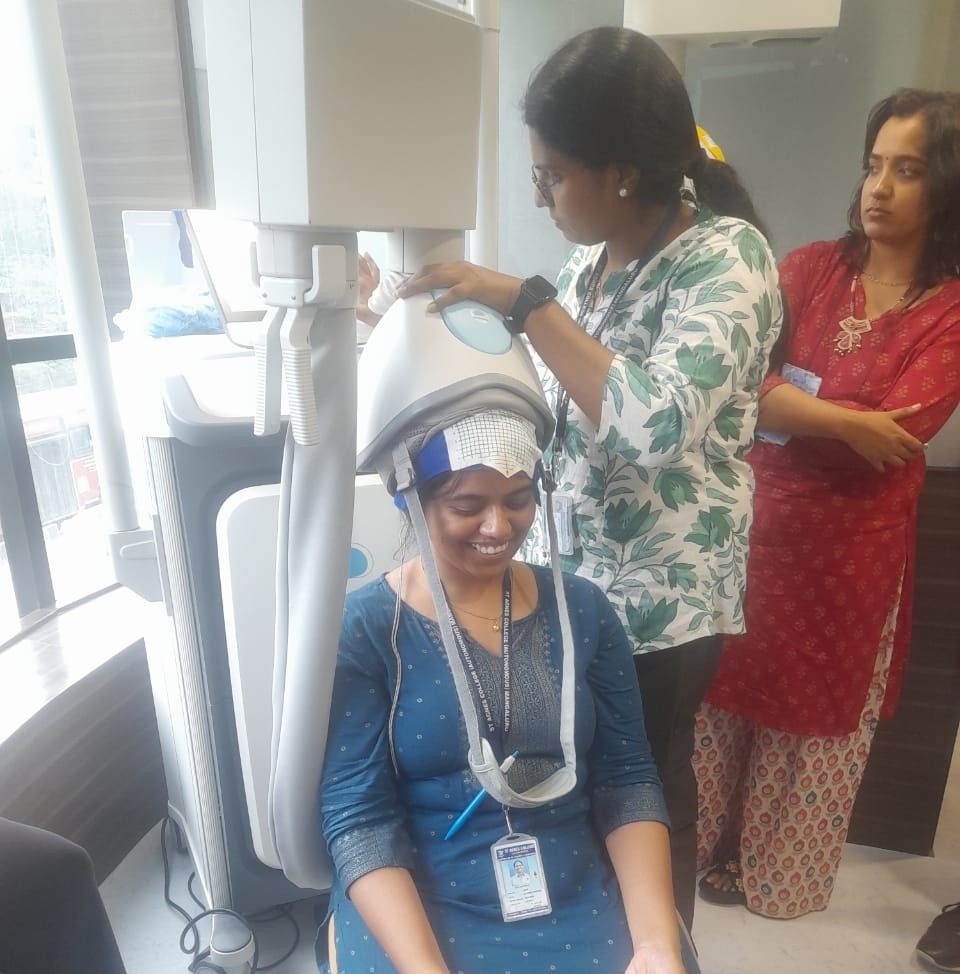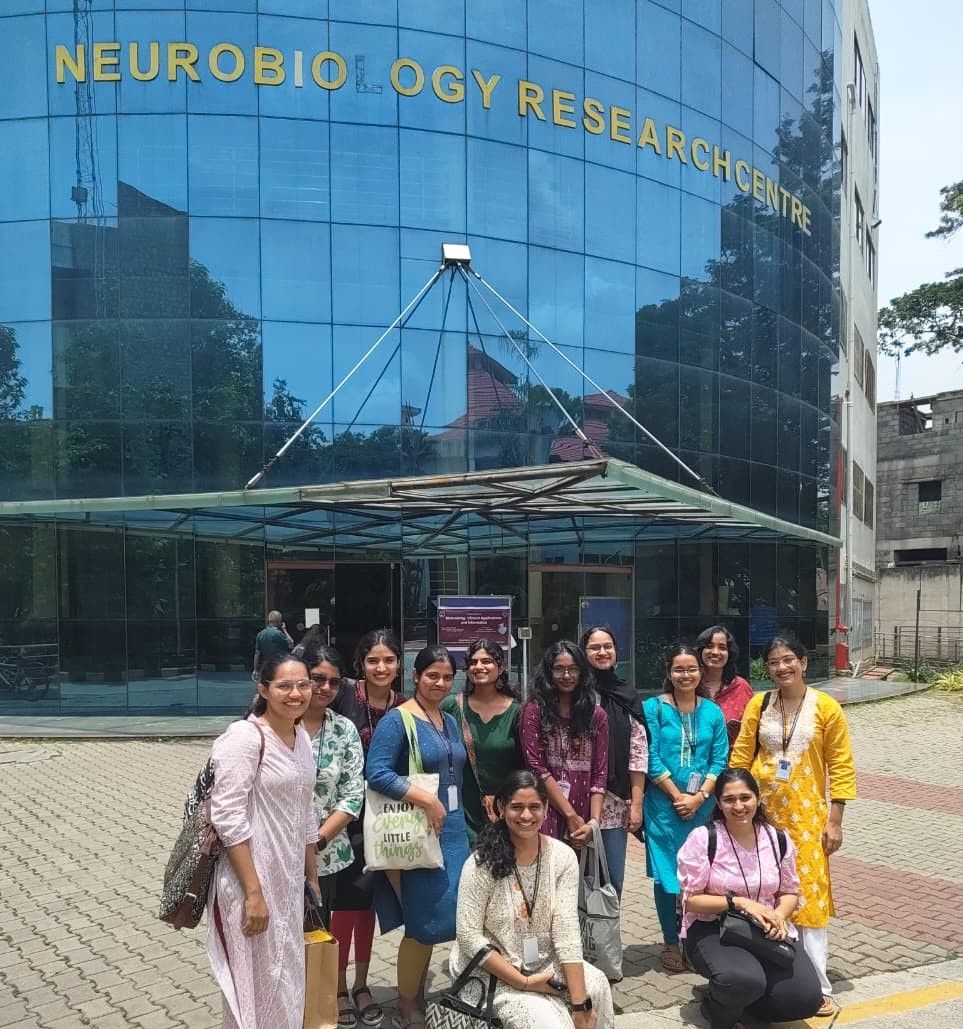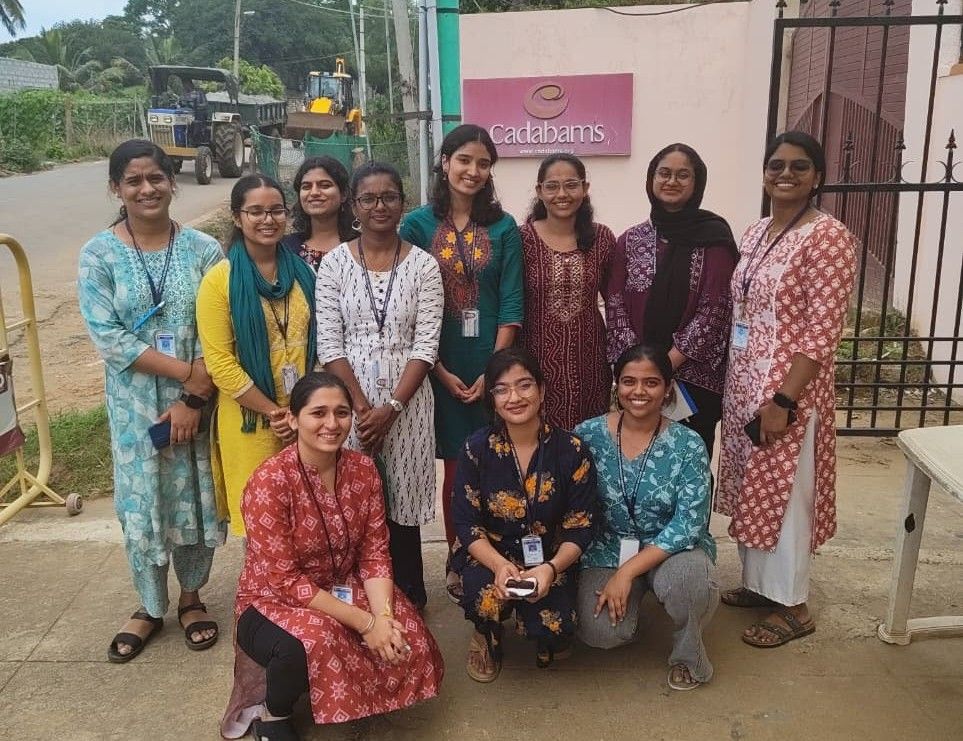
On the second day, the group visited the Museum of Art and Photography (MAP), Kasturba Road, which highlighted the intersections between art, culture, and psychology. Students explored how creative expression and cultural engagement contribute to identity, resilience, and community well-being, thus broadening their perspective on the psychosocial aspects of mental health. The third day was dedicated to exploring rehabilitation practices at Cadabams AMITHA Rehabilitation and De-addiction Centre, Hosur Road, Bengaluru. The session was coordinated by Mr. Jeetnaath, Psychiatric Case Manager, along with other staff members, who oriented the group to the facility’s infrastructure and therapeutic models. Students were introduced to the psycho-social rehabilitation framework, assessment tools, and program structures of varying durations designed for individuals with psychiatric illnesses and substance-use disorders. This experience underlined the importance of holistic rehabilitation in recovery and reintegration.
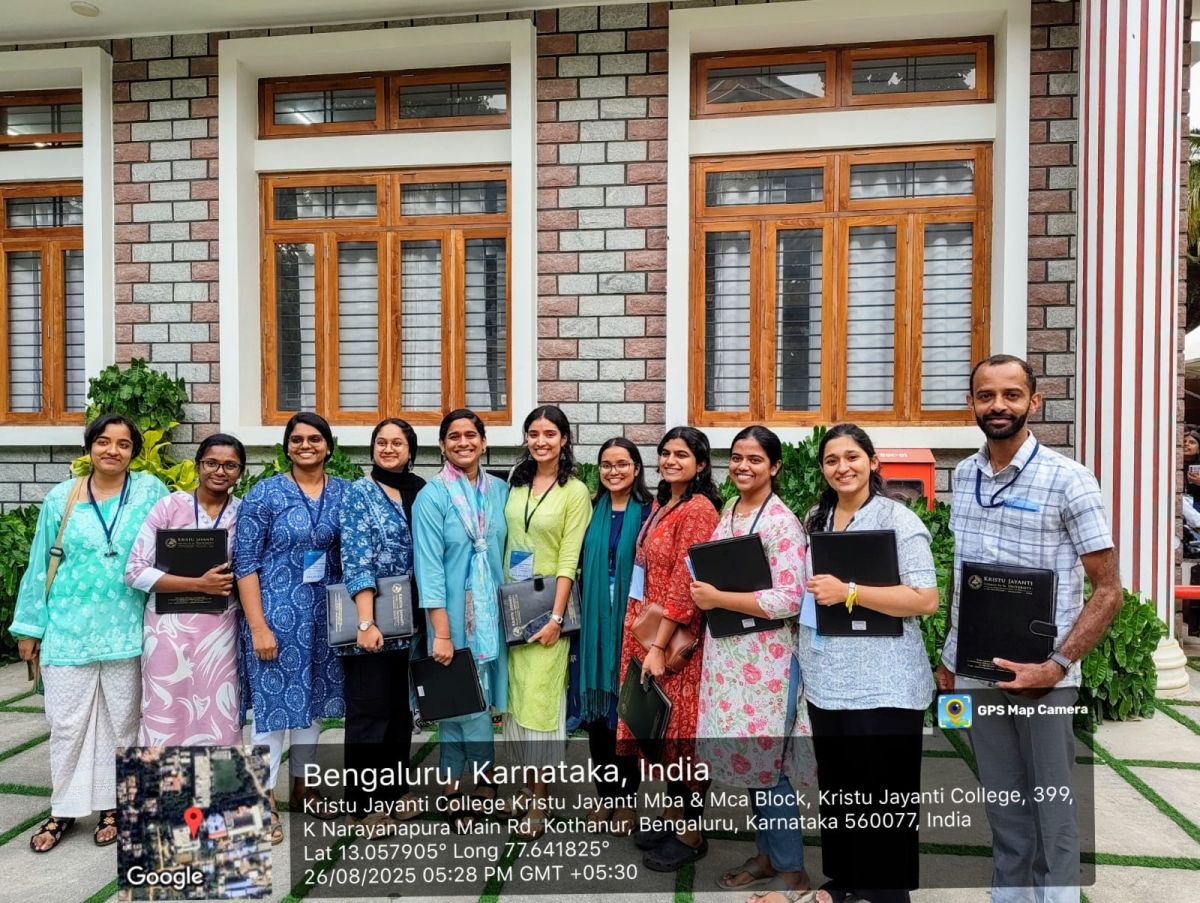
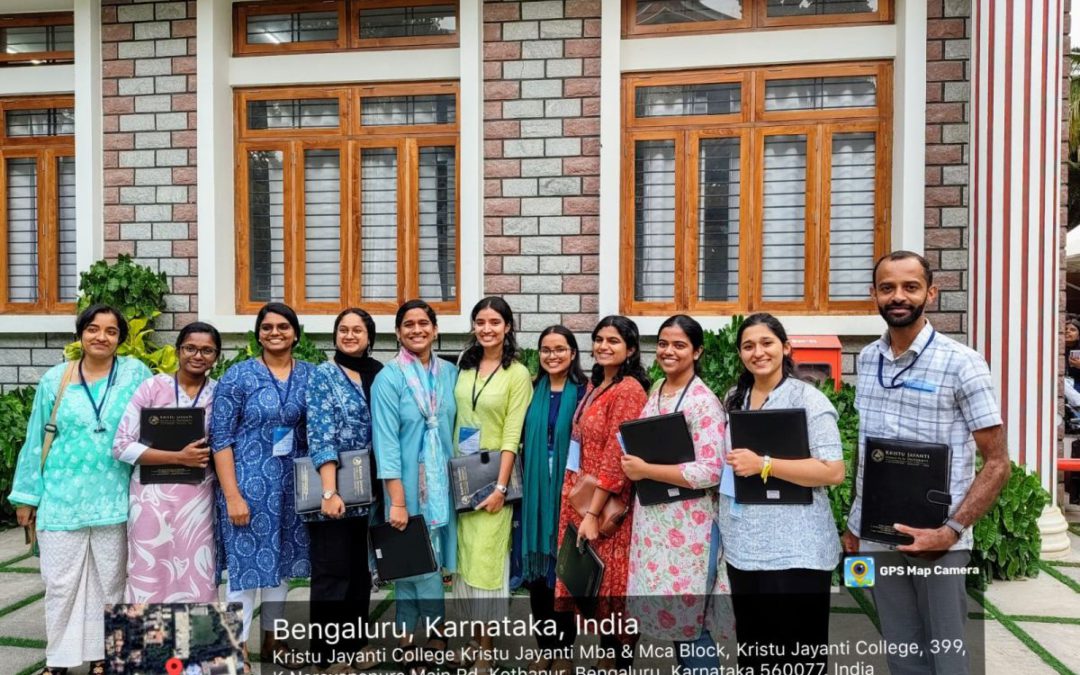
The final day of the visit was spent at Kristu Jayanti College, Bengaluru, where the group participated in a National Seminar. The seminar featured a keynote session by Dr. Naveen Grover on Practical Psychotherapy: Application at the Ground Level. Plenary sessions included Dr. Devvarta Kumar’s presentation on Metacognitive Therapy: A Transdiagnostic Innovation for the 21st Century, Dr. Nithya Hariya Mohan’s lecture on EMDR as a Neurocognitive Innovation in Trauma-Focused Psychotherapy, and Fr. Dr. Rajeev J. Michael’s talk on Innovative Applications of MBCT: Bridging Traditional Psychotherapy and Modern Mental Health Needs. The seminar concluded with a panel discussion on Third Wave Interventions in Action. All participants from St. Agnes received certificates of participation for this seminar.
The industrial visit provided students with a multidimensional learning experience that integrated clinical exposure, cultural perspectives, rehabilitation practices, and academic enrichment. Overall, the visit enhanced the professional competence of postgraduate students and inspired them to critically reflect on the interdisciplinary nature of mental health practice.